How to Make Time Go By Faster: 11 Practical Tips for Work & Home
Discover practical tips to make time go faster at work and home. Improve your productivity and reduce stress with Email Meter insights.
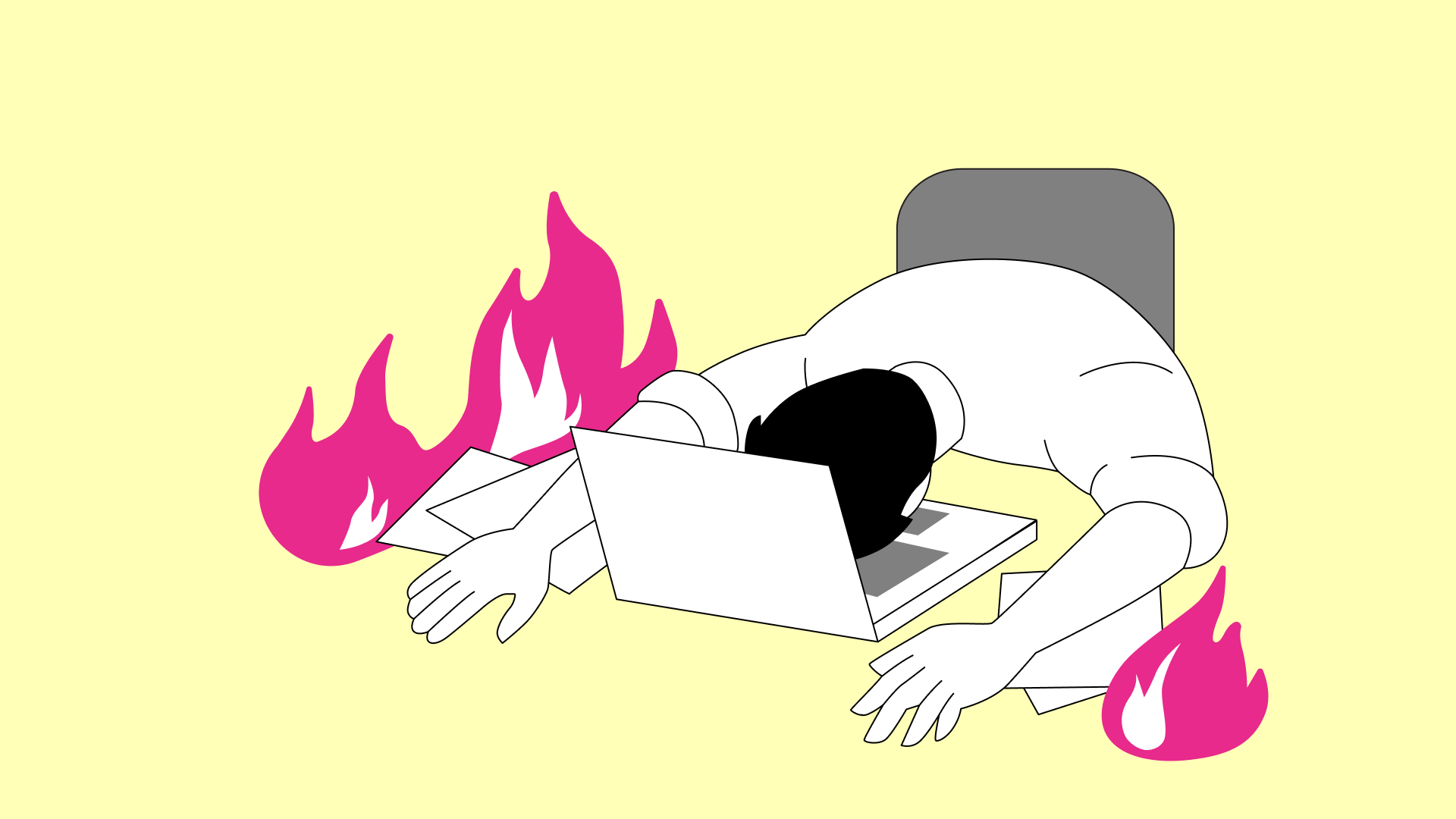
Does time ever seem to drag on endlessly, especially at work or during boring tasks? You’re not alone. Whether you’re stuck in meetings, waiting for an important deadline, or just trying to get through your daily routine, time can feel painfully slow.
Fortunately, there are practical strategies to help you make time go by faster, improve your productivity, and reduce stress. In this article, we’ll explore 11 proven tips plus how the Email Meter tool can help you manage your work time more effectively.

Why Does Time Go Slower Or Faster?
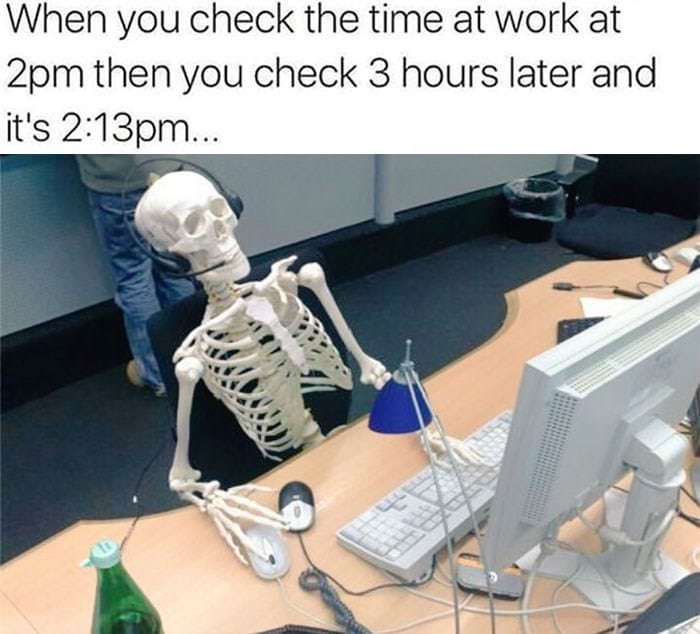
Time perception is influenced by your focus and emotions. When you’re watching the clock, time seems to crawl, a phenomenon captured by the saying, “A watched kettle never boils.”
Conversely, when you’re fully engaged and enjoying yourself, time flies. Understanding this can help you shift your mindset and behavior to make time feel like it’s moving faster.
11 Practical Ways to Make Time Go Faster At Work
1. Stop Watching the Clock
One of the most effective practices to make time pass faster at work is to stop constantly checking the clock. Fixating on the time makes your brain hyper-aware of each second, which ironically slows down your perception of time.
Practical advice:
- Hide or cover clocks in your workspace.
- Remove your watch or put your phone away.
- Disable or hide the time display on your computer or devices.
- Distract yourself with engaging tasks, music, or podcasts.
Diverting your attention away from the clock allows your mind to focus fully on the task at hand, helping time pass more naturally and quickly.
2. Create a Predictable Routine and Break Your Day Into Blocks
Establishing a daily routine that your brain can anticipate helps your mind enter “autopilot,” making time feel like it’s moving faster. Breaking your work into smaller, manageable chunks or blocks is also a powerful strategy.
How to apply this:
- Plan your day with clear time blocks dedicated to specific tasks (e.g., 9-9:30 AM: emails; 9:30-11 AM: project work).
- Use techniques like the Pomodoro method (25 minutes work, 5 minutes break) to maintain focus and energy.
- Schedule breaks strategically to refresh your mind without losing momentum.
This approach reduces mental fatigue and procrastination, making your workday more productive and less monotonous.
3. Enter the Flow State
Being fully engrossed in a challenging yet enjoyable task can make time fly. This “flow” state is a mental zone where distractions fade, and you lose track of time naturally.
Tips to achieve flow:
- Choose tasks that stretch your abilities but are still achievable.
- Set clear goals for what you want to accomplish.
- Minimize distractions by turning off notifications and finding a quiet workspace.
- Consider a “pre-flow ritual” such as deep breathing, setting goals, or playing focus-enhancing music.
When you’re in flow, your productivity skyrockets, and your perception of time shifts, hours can pass like minutes.
4. Use Background Sounds to Keep Your Mind Engaged
Playing soft, non-distracting background music or ambient sounds (like brown noise or video game soundtracks) can help keep your brain engaged without overwhelming it. This makes repetitive or dull tasks more bearable and time pass faster.
5. Split Unpleasant Tasks and Reward Yourself
Breaking down large, unpleasant tasks into smaller steps makes them less daunting and easier to tackle. Reward yourself after completing each step with small breaks or enjoyable activities. This creates positive reinforcement, keeping motivation high and making time feel more rewarding.
6. Embrace Mindfulness and Positive Mindset
Your emotional state greatly influences time perception. Stress and boredom make time drag, while mindfulness and a positive attitude can make it fly. Practice being present in the moment, focus on your breathing, the sensations around you, or the task itself. This not only helps time pass faster but also improves your overall well-being and productivity.
How Email Meter Can Help You Manage Your Time Better
Email Meter provides detailed insights into how you and your team spend time on emails, helping you identify bottlenecks and improve workflows. By understanding your email habits, you can optimize your day, reduce wasted time, and focus on what matters most.
Tips to Make Time Go Faster at Home and Other Settings
Many of these strategies apply beyond the office. Whether you’re at home, in class, or waiting in line, keeping busy with engaging activities or splitting dull tasks can help time pass more quickly.
FAQ: Common Questions About Making Time Go Faster
Why does time feel slower when I watch the clock?
Watching the clock makes you focus on every second, which makes time seem to drag.
What can I do to make time go faster at work?
Engage in challenging tasks, use to-do lists, take breaks, and avoid watching the clock.
How can Email Meter help me manage my work time?
Email Meter analyzes your email habits and productivity to help optimize your workflow.
How to make time go faster at home or in class?
Stay busy with engaging activities, break tasks into smaller chunks, and avoid boredom.
Managing your focus, emotions, and environment helps time fly by. Use these 11 tips and Email Meter to boost productivity and enjoy your days more.
Try Email Meter free for 14 days and transform how you manage your work time.